

API development
Create documented interfaces that let approved systems exchange information.
- Authentication and permissions
- Input validation
- Versioned endpoints

Connected systems, clearer operations
Connect the tools you already rely on so information can move reliably between teams and systems.
How we help
Many organisations already use useful software for finance, payments, communications, inventory or field operations. The trouble starts when each tool holds a different version of the truth and staff have to copy updates between them.
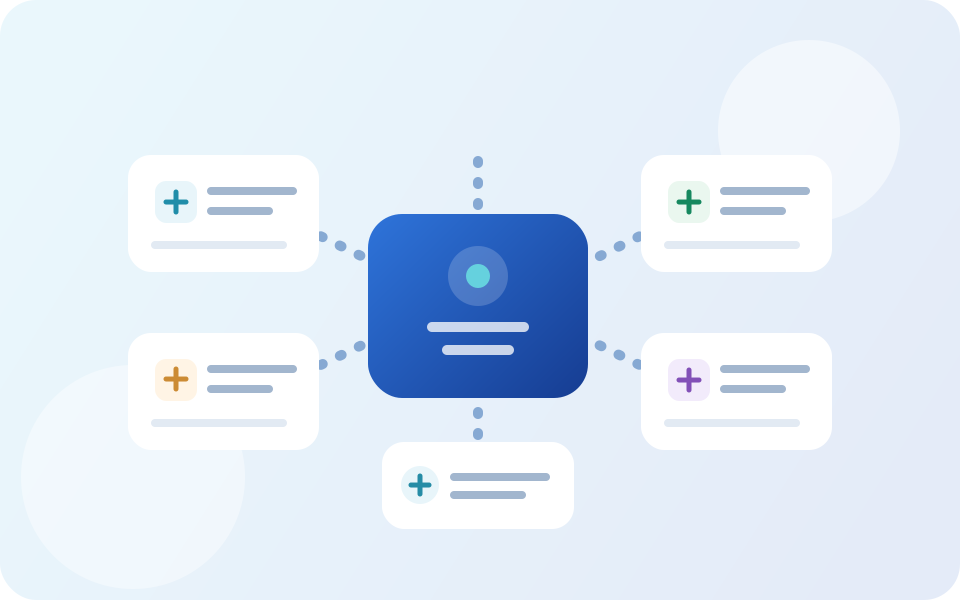
We assess how information should move, define reliable interfaces and connect systems through APIs or well-controlled data exchange. Integrations are designed with ownership, failure handling and security in mind, so teams can see what happened when a connection needs attention.
Where we focus
The goal is a trusted exchange of information, with safe handling when something goes wrong.
Create documented interfaces that let approved systems exchange information.
Connect payment providers and external services to the business workflow.
Move existing records with validation, mapping and a reviewable migration plan.
Improve how older tools exchange information without disrupting daily operations.
Frequently asked questions
Accounting software, M-Pesa and card payments, maps, SMS and WhatsApp messaging, tracking devices and other business systems that offer an API or data export.
We look at alternatives such as scheduled data exports, file transfers or the vendor’s other options, and tell you honestly if a dependable link is not possible.
The size of the first release, integrations, data migration, security needs and testing. We scope these after an initial conversation and send a written proposal rather than quoting a one-size-fits-all figure.

Designed for operations
From first conversation to launch
Each stage keeps the scope, decisions and next steps visible to your team.
Document systems, data owners, interfaces and the business events that matter.
Agree on data contracts, authentication, retries and the response to failed requests.
Build the integration in stages, validate records and log operational events.
Review integration health and refine the flow as systems and requirements change.
Applied in practice
See how workforce workflows bring bookings, role-based operations and M-Pesa payments into one system.
Explore more
Move from a focused project to connected software, dependable operations and steady improvements.
Ready to take the next step?
Share the workflow, challenge or goal you have in mind. We’ll help you decide what should happen next.