
Live vehicle and asset visibility
Follow vehicle status and journey context together. Check the source and freshness of tracking data before making operational decisions.

Industries
Connect vehicle location, device compliance, maintenance signals, and daily fleet workflows in one operational view.
Operational focus
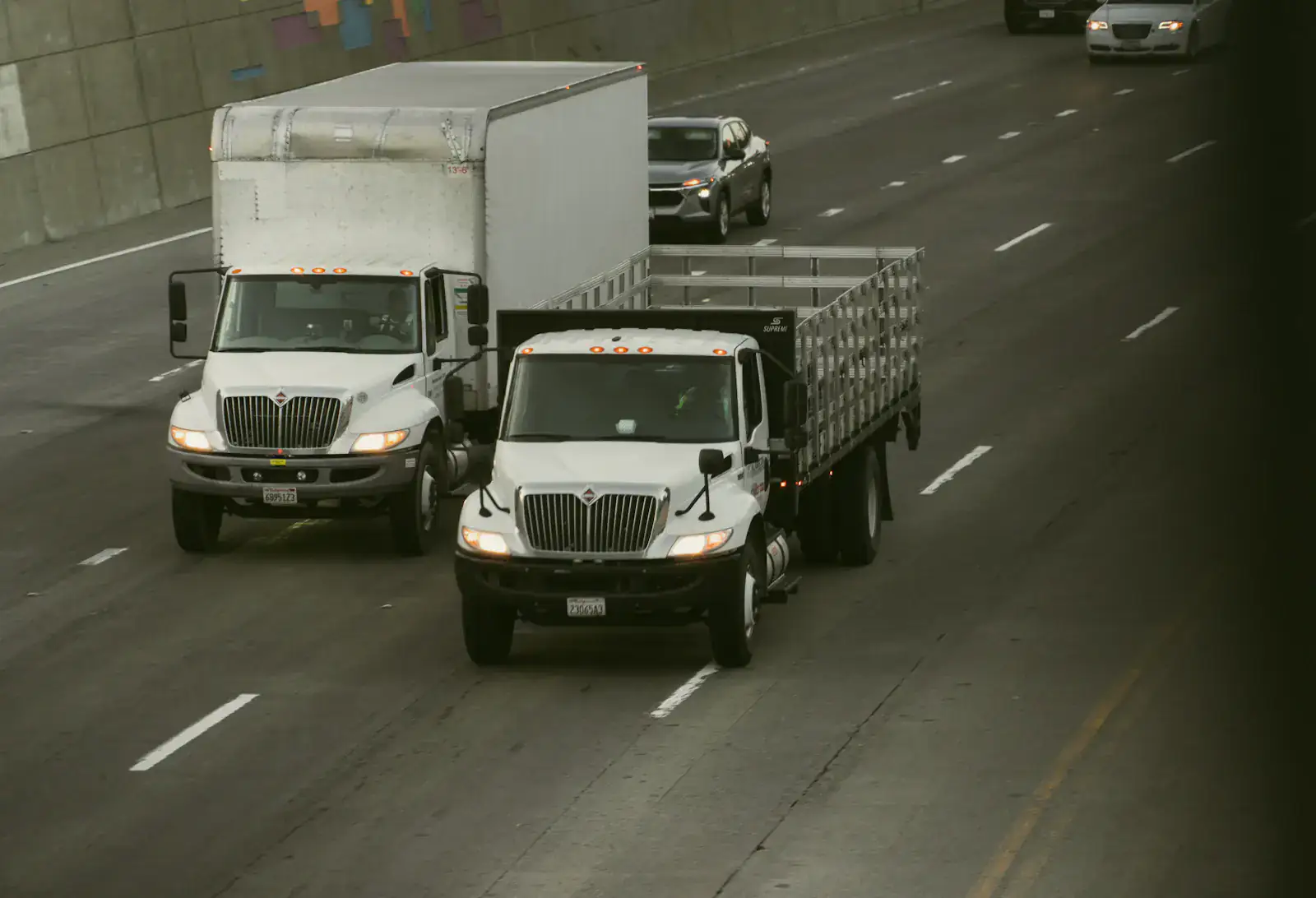
A vehicle location is only useful when the team knows what to do next. Connect the vehicle, device, driver and client records so dispatchers can investigate an alert without searching several systems.
We learn the hand-offs, exceptions, reporting needs, and systems your team already depends on before recommending an approach.
Explore Venus AI FleetDesigned around daily work
A useful system keeps the right information, people, and next action connected as work moves through your operation.
Follow vehicle status and journey context together. Check the source and freshness of tracking data before making operational decisions.
Link device identifiers, client ownership and renewal dates. Give overdue records a clear owner and a traceable follow-up.
Turn an alert into an assigned action, then record the outcome alongside trip history and maintenance information.
Plan the right fit
Start with the devices and protocols already in use. Agree how to handle delayed data, client separation and escalation, then test a representative group of vehicles before expanding the rollout.
AxoraOrbit works with you from discovery through interface design, development, testing and launch. The result is planned around your requirements, with clear roles, practical reporting and room to extend as your business changes.
Discuss your workflowAgree on the business outcome, users, constraints, data and success measures.
Prioritize a workable first release, document decisions and review the proposed experience.
Develop in reviewable increments, test key workflows and resolve issues before release.
Prepare the operating environment, guide adoption and plan the next useful improvements.